
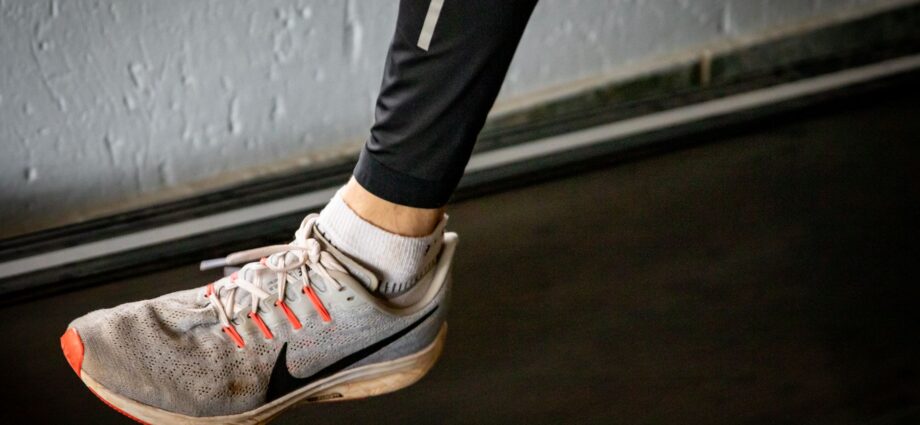
Nike shoe fit issues have raised concerns about the brand’s ability to maintain its competitive edge. As the market evolves, so too must Nike’s approach to product development and customer satisfaction.
Background on Nike’s Market Position
Nike has long been recognized as a leader in the athletic footwear market, often praised for its innovative designs and cutting-edge technology. However, recent reports have highlighted significant Nike shoe fit issues that may be impacting the brand’s reputation and sales. This shift in consumer sentiment poses a challenge for a company that has historically thrived on its ability to deliver a superior product.
In the competitive landscape of sportswear, Nike faces increasing pressure from both established brands and emerging players. Many consumers are now prioritizing comfort and fit over brand loyalty, which has led to a reevaluation of Nike’s strategies. As a result, the company has seen a decline in customer satisfaction, particularly concerning the sizing and overall fit of its footwear.
The consequences of these fit issues are evident in customer reviews and sales data, suggesting that Nike must adapt its approach to regain its competitive edge. If the brand fails to address these concerns, it risks losing its once-unshakeable position in the market.
Recent Sales Trends
Recent sales trends indicate a growing concern among consumers regarding Nike shoe fit issues. As the athletic footwear giant continues to dominate the market, reports suggest a noticeable decline in customer satisfaction linked to sizing inconsistencies.
Industry analysts have observed several key factors influencing these trends:
- Increased Competition: Brands such as Adidas and New Balance are gaining traction by offering more diverse sizing options and improved fit technologies.
- Consumer Feedback: Online reviews reveal that many customers are struggling with the fit of Nike shoes, leading to higher return rates and diminished brand loyalty.
- Shift in Shopping Habits: The rise of e-commerce has made it easier for consumers to compare fit and comfort across multiple brands, making fit issues more apparent.
As Nike navigates this challenging landscape, addressing these shoe fit issues will be critical in regaining consumer trust and maintaining its market position. With the athletic footwear sector becoming increasingly competitive, a focus on fit may prove vital for future growth.
Consumer Feedback on Fit
Consumer feedback regarding Nike shoe fit issues has been increasingly vocal, with many customers expressing dissatisfaction with the sizing and comfort of their footwear. This has raised concerns about the brand’s attention to consumer needs in a highly competitive market.
Several key points have emerged from recent reviews and discussions:
- Inconsistent Sizing: Many consumers report that Nike’s shoe sizes vary significantly between different models, leading to confusion and frustration when trying to find the right fit.
- Comfort Issues: A number of customers have noted that certain styles, while visually appealing, do not provide the level of comfort expected from a premium brand.
- Fit Variability: The feedback indicates that the fit can feel too narrow or too wide, making it challenging for consumers to select the right pair without trying them on first.
- Impact on Brand Loyalty: As more consumers share their experiences, there is a growing concern that these fit issues could erode brand loyalty and drive customers towards competitors.
Addressing these Nike shoe fit issues may be crucial for the company to regain its competitive edge.
Impact of Fit Issues on Sales
The impact of Nike shoe fit issues on sales has become increasingly apparent in recent months. As consumers express dissatisfaction with the sizing and comfort of their products, many are opting for competitors that offer better-fitting alternatives. This shift has resulted in a decline in Nike’s market share, raising concerns among investors and industry analysts.
Key factors contributing to this trend include:
- Consumer Loyalty: Brand loyalty is often built on comfort and fit. When customers feel let down by sizing inconsistencies, they are likely to seek out other brands.
- Online Shopping: With the rise of e-commerce, the inability to try on shoes before purchase exacerbates fit issues. Many buyers are returning products due to improper sizing, leading to increased operational costs.
- Social Media Influence: Negative reviews and experiences shared online can quickly sway potential customers, damaging Nike’s reputation.
Ultimately, addressing these Nike shoe fit issues is crucial for the brand to regain its competitive edge and restore consumer confidence in its products.
Comparative Analysis with Competitors
The fit of Nike shoes has become a focal point in discussions surrounding the brand’s recent struggles. When compared to competitors like Adidas and Puma, Nike’s shoe fit issues have become increasingly pronounced. While Adidas has successfully embraced a more customized fitting approach, offering options like the 4D printing technology for precise foot mapping, Nike has lagged behind in this regard.
Additionally, New Balance has made strides with its emphasis on varied width options, catering to a broader range of foot shapes. This adaptability has allowed them to capture a segment of the market that Nike once dominated. Consumers increasingly seek shoes that offer both style and comfort, and when Nike fails to meet these expectations, they often turn to brands that do.
Feedback from customers highlights that many have experienced significant discomfort and inconsistencies in sizing, which has led to a decrease in brand loyalty. As Nike grapples with these shoe fit issues, it risks alienating its core audience and losing its competitive edge in the athletic footwear market.
Future Strategies for Improvement
As Nike continues to grapple with significant shoe fit issues, it is crucial for the brand to reassess its future strategies to regain consumer trust and market share. One potential avenue for improvement involves enhancing the personalization of their products. By leveraging advanced technology, Nike could offer customizable fitting options that allow customers to select sizes based on their unique foot dimensions.
Additionally, engaging more directly with consumers through focus groups and surveys can provide invaluable insights into the specific fit challenges they face. Implementing a robust feedback loop will enable Nike to make timely adjustments to their designs and sizing charts.
Moreover, expanding partnerships with podiatrists and footwear specialists could lead to developing shoes that prioritize comfort and support. A commitment to quality control and rigorous testing before product launches will further ensure that fit issues are minimized.
Finally, a targeted marketing campaign that highlights these improvements may help restore confidence in the brand. By addressing the current fit challenges head-on, Nike can not only improve customer satisfaction but also strengthen its position in a highly competitive market.
Conclusion and Insights
In conclusion, the ongoing Nike shoe fit issues highlight a significant challenge for the brand, which has long been synonymous with performance and innovation. As consumer expectations evolve, the importance of a proper fit cannot be overstated. While Nike has enjoyed a dominant market position, the recent sales trends indicate that failure to address fit concerns could erode brand loyalty and trust.
The insights gathered from consumer feedback reveal that many customers are dissatisfied with their purchases, believing that the sizing discrepancies directly impact their overall experience. This situation could lead to a decline in repeat purchases and a shift towards competitors that prioritize fit and comfort.
To regain its competitive edge, Nike must implement strategic changes that prioritize consumer needs. This may involve re-evaluating their sizing strategy, enhancing product testing, and incorporating feedback loops to ensure that their shoes meet performance standards. As the market landscape continues to shift, Nike’s ability to adapt to these fit issues will be crucial for maintaining its reputation and driving future sales.
- Addressing consumer needs is vital for brand loyalty.
- Proper fit can enhance customer satisfaction.
- Strategic changes are necessary for future growth.
The recent analysis of Nike shoe fit issues highlights a growing disconnect between consumer expectations and the brand’s sizing standards. Addressing these Nike shoe fit issues could be crucial for restoring customer loyalty and confidence in the brand.
Photo by Magda Ehlers on Pexels