
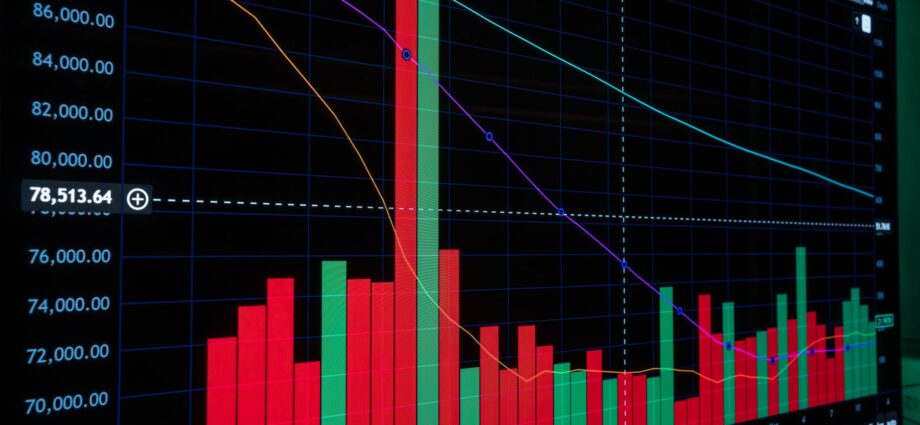
Intel stock volatility has become a hot topic following their recent earnings report. Despite a revenue beat, an $11 billion loss has left investors concerned about future performance.
Understanding Intel’s Earnings Report
Intel Corporation’s latest earnings report has drawn significant attention due to the unexpected volatility in its stock. Despite a revenue beat, the company reported a staggering loss of $11 billion, raising concerns among investors about its future performance. Understanding the reasons behind this earnings dip is crucial for those observing Intel’s stock volatility.
First, it is essential to recognize the impact of the semiconductor market’s cyclical nature. Over the past few years, demand for chips surged due to advancements in technology and increased remote working. However, as demand normalizes, Intel faces challenges such as:
- Increased competition: Rival companies like AMD and NVIDIA are gaining market share, which puts pressure on Intel’s pricing and profitability.
- Supply chain disruptions: Ongoing global supply chain issues have led to higher costs and delays, affecting production efficiency.
- Investment in new technology: Intel is heavily investing in its manufacturing capabilities, which, while necessary for future growth, has led to substantial short-term financial strain.
Moreover, the company has faced challenges in transitioning to advanced chip technologies, which further complicates its financial outlook. As a result, these factors have contributed to the recent fluctuations in Intel stock volatility, leaving investors cautious as they assess the company’s path forward.
Factors Behind Stock Volatility
The recent fluctuations in Intel’s stock have raised eyebrows among investors and analysts alike. Several factors contribute to the heightened Intel stock volatility observed following its latest earnings report.
One major reason is the substantial loss reported by the company. Analysts were initially optimistic about Intel’s revenue, which beat expectations. However, the overshadowing $11 billion loss has led to a significant reevaluation of the company’s future prospects. The disparity between revenue growth and net loss creates uncertainty in investor sentiment.
Additionally, ongoing supply chain issues have plagued the semiconductor industry, impacting Intel’s ability to capitalize on market demand. As competitors ramp up production, Intel’s struggles to maintain its market share further contribute to the stock’s instability.
Another factor is the broader market trends that influence technology stocks. Economic concerns, such as inflation and interest rate hikes, have caused increased volatility across the sector, with Intel being no exception. Investors are often cautious during such periods, leading to fluctuations in stock prices.
Lastly, shifts in leadership and corporate strategy can also affect investor confidence. The recent changes in management at Intel have prompted questions regarding the company’s direction, adding another layer of complexity to its stock volatility.
Investor Reactions to Intel’s Loss
Investor reactions to Intel’s significant earnings loss have been marked by a notable increase in stock volatility, as many grapple with the implications of the company’s recent performance. Following the announcement of an unprecedented $11 billion loss, shareholders and analysts alike have expressed their concerns regarding the company’s strategic direction and market competitiveness.
Many investors took to social media and financial forums to voice their opinions, with a mixture of disappointment and skepticism dominating the conversation. Some key reactions include:
- Concerns about future growth: Investors are questioning how Intel plans to recover from this setback and regain its position in the semiconductor industry.
- Short-term vs. long-term outlook: While some believe that the current volatility presents a buying opportunity, others are wary of holding onto their shares amid uncertainty.
- Comparisons to competitors: Analysts have drawn parallels between Intel and its rivals, suggesting that without a clear turnaround strategy, Intel may continue to struggle.
The volatility in Intel’s stock underscores the challenges the company faces as it attempts to navigate a rapidly changing market landscape. Investors remain watchful for any signs of recovery or strategic changes that could stabilize stock performance in the future.
Future Outlook for Intel Stock
As investors reflect on the recent earnings dip, the future outlook for Intel stock remains a topic of considerable debate. Despite the company’s significant challenges, there are several factors that may influence its trajectory moving forward.
First and foremost, Intel is implementing a robust turnaround strategy aimed at restoring investor confidence. This includes:
- Investment in R&D: Intel plans to increase its research and development spending, which could lead to innovative products and improved performance.
- Strategic partnerships: Collaborations with other tech firms may enhance Intel’s competitive edge in the semiconductor market.
- Cost-cutting measures: The company is focusing on operational efficiencies to mitigate losses and strengthen its balance sheet.
In addition to these strategies, the broader market dynamics and demand for semiconductors will play a crucial role in shaping Intel’s stock volatility. The ongoing shift towards artificial intelligence and cloud computing could provide new revenue opportunities, potentially stabilizing earnings in the long run.
Nevertheless, investor sentiment will remain cautious, given the recent $11 billion loss. As such, Intel stock volatility is likely to persist until a clear recovery path is demonstrated. The coming quarters will be critical in determining if Intel can navigate these challenges effectively and regain its position as a market leader.
Investors are closely monitoring Intel stock volatility as the company navigates through its recent earnings dip. Understanding the factors contributing to Intel stock volatility can help shareholders make informed decisions moving forward.
Photo by Rafael Minguet Delgado on Pexels