
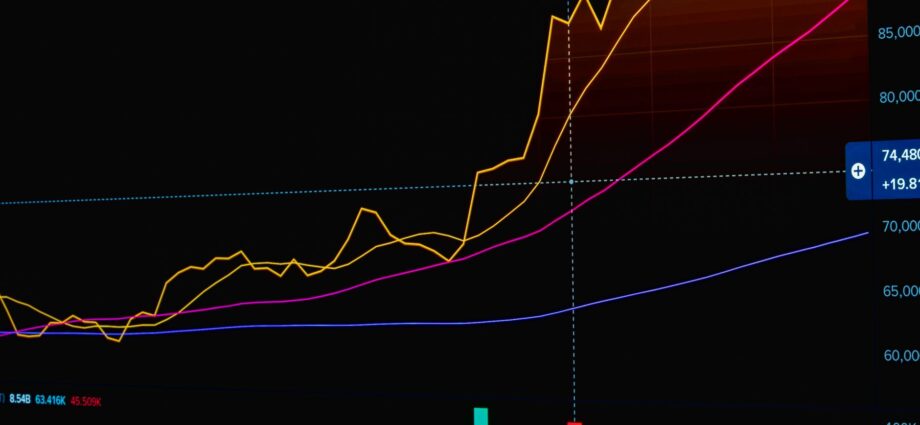
NSE IPO valuation is a crucial factor to consider for potential investors. This article explores whether the listing gain or long-term investment is the right choice for you.
Understanding NSE IPO Valuation
The National Stock Exchange (NSE) has recently announced its highly anticipated initial public offering (IPO), drawing significant attention from investors. Understanding NSE IPO valuation is crucial for potential subscribers as it sets the stage for investment decisions. The IPO is expected to raise approximately Rs 22,569 crore, making it one of the largest offerings in India.
Investors should consider several factors when evaluating this IPO:
- Financial Performance: Analyzing the NSE’s revenue growth, profit margins, and overall financial health can provide insights into its valuation.
- Market Position: As the largest stock exchange in India, its market share and competitive advantages play a significant role in determining its value.
- Growth Potential: Understanding market trends and the potential for expansion in trading volumes can influence long-term valuation.
- Regulatory Environment: Changes in regulations affecting stock exchanges could impact future profitability and valuation.
In conclusion, the NSE IPO valuation should be assessed carefully, considering both short-term listing gains and long-term investment potential. Investors are advised to keep these factors in mind before making their decisions.
What is GMP and How Does It Affect NSE IPO?
In the context of the NSE IPO valuation, it’s essential to understand the concept of GMP, or Grey Market Premium. This is an unofficial indicator that reflects the expected listing price of an IPO compared to its issue price. Investors often look at GMP to gauge market sentiment regarding the stock before it officially lists on the exchange.
GMP is determined by the trading of IPO shares in the grey market, where transactions occur outside of the formal stock exchanges. A higher GMP suggests that there is strong demand for the IPO, potentially leading to a significant listing gain. Conversely, a lower or negative GMP may indicate weak interest, prompting investors to reconsider their subscription plans.
For the NSE IPO, understanding GMP is crucial as it can influence investment decisions. If the GMP is favorable, it may entice more investors to participate, hoping for immediate gains upon listing. However, it’s also important to consider long-term prospects and not just short-term profits.
Investors should weigh GMP along with other factors such as financial health, market conditions, and overall NSE IPO valuation to make informed investment choices.
Is NSE IPO a Long-Term Investment?
Investors are often left grappling with the question: Is the NSE IPO a long-term investment? With a staggering valuation of Rs 22,569 crore, this initial public offering presents a significant opportunity for both short and long-term investors. However, several factors must be considered before making a decision.
Firstly, understanding the nature of the National Stock Exchange and its position within the financial market is crucial. The NSE has consistently demonstrated strong performance and robust growth potential, making it an attractive prospect for long-term investors.
Secondly, analyzing the NSE IPO valuation in conjunction with its growth trajectory can provide valuable insights. Investors should consider the company’s revenue streams, market share, and competitive advantages in the evolving financial landscape.
Furthermore, it’s essential to keep an eye on the market conditions and investor sentiment, as these can significantly impact the stock’s performance post-listing. A comprehensive assessment of the NSE IPO’s potential for capital appreciation is vital.
In conclusion, while the NSE IPO could offer long-term growth, thorough research and analysis of its valuation and market dynamics are necessary for making an informed investment decision.
Key Factors Influencing IPO Success
As investors consider the NSE IPO valuation, several key factors can significantly influence the success of the offering. Understanding these components can help investors make informed decisions.
- Market Conditions: The overall market environment plays a critical role. A bullish sentiment can drive demand for IPOs, leading to higher valuations.
- Company Fundamentals: Investors should analyze the financial health of the company. Strong revenue growth, profitability, and a solid business model can enhance the IPO’s attractiveness.
- Valuation Metrics: Comparing the NSE IPO valuation with industry peers provides insight into whether the offering is fairly priced. Ratios such as P/E and P/B can aid in this assessment.
- Regulatory Environment: Changes in government policies or regulations can impact investor confidence and, consequently, the IPO’s success.
- Market Sentiment: Investor sentiment towards the sector and the broader economy can sway demand. Positive news or trends can lead to a successful listing.
By considering these factors, investors can better navigate the complexities surrounding the NSE IPO valuation and make strategic choices regarding their investments.
Expert Opinions on NSE IPO
Industry experts have shared their insights regarding the NSE IPO valuation, emphasizing its significance for potential investors. According to financial analyst Rajesh Kumar, the valuation of the NSE IPO is crucial for assessing its market performance post-listing. He states, “Investors should look beyond just the listing gain; understanding the intrinsic value of the IPO is essential for making informed decisions.”
Another expert, Priya Mehta, highlighted that the NSE’s strong market position and growth potential could justify its valuation. She noted, “The demand for shares in the IPO is a reflection of confidence in the NSE’s operational efficiency and future earnings.”
However, some analysts urge caution. Vikram Singh pointed out that while the NSE IPO valuation appears attractive, investors need to consider market volatility and external economic factors that could impact performance. “Investing in an IPO should align with your financial goals and risk tolerance,” he added.
In conclusion, while the NSE IPO valuation presents a compelling opportunity, experts suggest that a thorough analysis of both market conditions and personal investment strategies is vital before committing to the Rs 22,569 crore issue.
Photo by Rafael Minguet Delgado on Pexels