
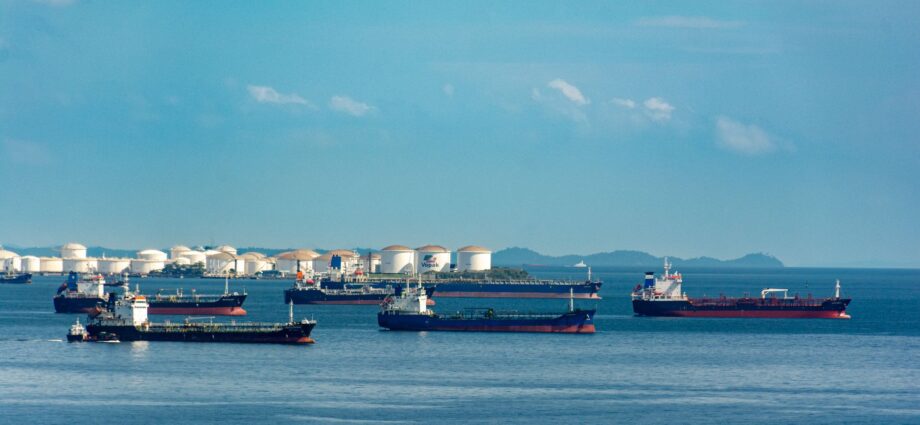
Tanker rates relief is a current topic in the global oil trade as lower rates offer limited benefits to logistics and shipping companies.
Overview of Current Tanker Rates
In recent weeks, the global oil trade has experienced fluctuations in tanker rates, which have brought about some relief for traders. However, the extent of this relief remains limited, as various factors continue to influence the market. Currently, the average daily rate for a very large crude carrier (VLCC) has dropped to approximately $70,000, down from previous highs, reflecting a more competitive environment.
Several key elements contribute to the current tanker rates:
- Supply and Demand Dynamics: The balance between oil supply and tanker availability plays a crucial role in determining rates. An increase in tanker availability has contributed to the recent drop.
- Geopolitical Factors: Ongoing tensions in oil-producing regions can lead to sudden spikes in demand for tankers, which may counteract the current relief in rates.
- Fuel Costs: Rising fuel prices can offset lower tanker rates, impacting overall profitability for shipping companies.
- Regulatory Changes: New regulations regarding emissions and shipping standards are also affecting tanker operations, potentially leading to increased costs.
While the recent decrease in tanker rates offers some relief for the global oil trade, industry stakeholders remain cautious about the future, anticipating a volatile market driven by various external influences.
Impact of Lower Rates on Oil Trade
The recent decline in tanker rates has sparked discussions about its potential to provide much-needed relief for the global oil trade. However, the actual impact appears to be more nuanced than initially anticipated.
Despite the lower rates making transportation more affordable, several factors are influencing the overall benefits. Key elements include:
- Supply Chain Disruptions: Ongoing geopolitical tensions and logistical challenges continue to plague oil supply chains, limiting the effectiveness of reduced tanker rates.
- Demand Fluctuations: Global oil demand remains volatile, influenced by economic uncertainties and shifts toward renewable energy sources, which dampens the expected boost from lower costs.
- Regulatory Factors: Stricter environmental regulations are increasing operational costs for many shipping companies, counteracting some of the savings achieved through lower tanker rates.
Moreover, while the relief in tanker rates may ease transportation expenses temporarily, it does not address underlying market challenges. Analysts caution that until broader systemic issues within the oil supply chain are resolved, the positive effects of reduced tanker rates may be limited.
In conclusion, while tanker rates relief presents an opportunity for cost savings, the complexities of the global oil trade landscape necessitate a more comprehensive approach to achieving sustainable improvements.
Challenges Faced by Shipping Companies
As global oil trade grapples with fluctuating tanker rates, shipping companies are facing a myriad of challenges that complicate their operations. Despite the recent tanker rates relief, which has provided some breathing room for operators, the underlying issues remain pressing.
- Rising Operational Costs: Shipping companies are contending with increased costs related to fuel, crew wages, and maintenance. These expenditures can quickly erode the benefits gained from lower tanker rates.
- Regulatory Pressures: Stricter environmental regulations are forcing companies to invest in cleaner technologies and adhere to new compliance measures, adding another layer of financial strain.
- Market Volatility: The oil market is inherently volatile, with geopolitical tensions and economic uncertainties influencing demand. Shipping companies must navigate this instability, which can counteract the advantages of reduced tanker rates.
- Capacity Constraints: A limited number of available tankers, especially during peak demand seasons, can lead to congestion and inefficiencies, negating the potential relief from lower rates.
These challenges highlight that while the recent tanker rates relief may provide temporary advantages, it does not fully resolve the complex issues facing shipping companies. The path to sustainable profitability remains uncertain as they adapt to a dynamic global oil market.
Future Outlook for Tanker Rates
As the global oil trade continues to navigate through fluctuating market dynamics, the future outlook for tanker rates remains uncertain. Although recent trends indicate a slight dip in tanker rates, the anticipated relief may be short-lived, influenced by a variety of factors.
Industry analysts suggest that while lower tanker rates can provide temporary relief for shipping companies, they may not significantly alter the overall landscape of oil transportation. Key elements impacting this outlook include:
- Global Demand: The demand for oil continues to be volatile, heavily influenced by geopolitical tensions and economic recovery rates. Any resurgence in demand could quickly reverse the current rate trends.
- Fleet Capacity: The supply of tanker vessels plays a crucial role in determining rates. An increase in new ship deliveries could lead to oversupply, further affecting pricing structures.
- Regulatory Changes: Upcoming environmental regulations may impose additional costs on shipping companies, impacting their operational expenses and potentially leading to higher rates in the long run.
- Market Competition: The competitive landscape among shipping companies can lead to price wars, which might temporarily drive rates down but could jeopardize long-term sustainability.
In conclusion, while tanker rates relief may offer a momentary reprieve for some players in the oil trade, the future remains fraught with uncertainties that could reshape the market dynamics once again.
Logistics Strategies in Response to Changes
As tanker rates experience a notable decline, shipping companies are quickly adapting their logistics strategies to capitalize on the potential tanker rates relief. This shift not only affects operational costs but also influences broader supply chain decisions across the globe.
One of the primary strategies emerging among shipping firms is the optimization of routing. By analyzing historical data and current market conditions, companies are identifying more efficient pathways that minimize transit times and fuel consumption. This approach not only reduces expenses but also enhances service reliability for clients.
Moreover, many firms are investing in technology that supports real-time tracking and monitoring of shipments. Such advancements enable better communication between shipping companies and oil traders, facilitating quicker responses to market fluctuations.
Additionally, partnerships are becoming increasingly important. By collaborating with port authorities and logistics providers, shipping companies can secure better docking times and reduce turnaround periods, further maximizing the benefits of lower tanker rates.
However, it is essential to consider that while these strategies can mitigate some challenges, the overall impact on profitability remains uncertain. As the global oil trade continues to evolve, shipping companies must remain agile, ready to adjust their logistics in response to ongoing market dynamics.
Global Oil Market Trends
The global oil market has been experiencing significant fluctuations, influenced heavily by various geopolitical and economic factors. Recently, the tanker rates relief has sparked discussions among industry analysts about its potential impact on oil trade dynamics.
One notable trend is the increasing demand for oil in emerging markets, which has been somewhat offset by the ongoing transition towards renewable energy sources. This shift is causing a reevaluation of long-term oil consumption patterns, leading to:
- Increased volatility: Prices remain unpredictable due to conflicting supply and demand signals.
- Supply chain adjustments: Companies are exploring alternative routes and shipping strategies to optimize costs.
- Investment hesitancy: The uncertainty surrounding future oil demand is causing some investors to be cautious.
Moreover, while the recent relief in tanker rates may provide temporary respite for oil traders, it does not address the underlying issues of overcapacity and environmental regulations that continue to challenge the shipping sector. As companies adapt to these changing conditions, the long-term implications for the global oil market remain to be seen.
As the industry navigates through these complexities, stakeholders will need to remain agile and responsive to ensure sustainable growth amidst the evolving landscape of global oil trade.
Conclusion on Tanker Rates Relief
As the global oil market navigates through fluctuating dynamics, the recent decline in tanker rates has provided some relief for oil traders. However, the benefits appear to be limited, as various factors continue to influence the overall trade landscape.
While tanker rates relief might suggest improved profitability for shipping companies, it is essential to consider the broader implications. The reduced costs can facilitate increased trade volumes, yet persistent challenges such as geopolitical tensions, environmental regulations, and supply chain disruptions are still at play.
Moreover, the impact of lower tanker rates is compounded by the ongoing shifts in energy consumption patterns. As countries transition towards renewable energy sources, traditional oil demand may dwindle, creating uncertainty for shipping markets. This evolving scenario necessitates adaptability among shipping companies, pushing them to reassess their logistics strategies and operational efficiencies.
In conclusion, while the relief offered by lower tanker rates is welcomed, it is critical for stakeholders to remain vigilant. The interplay between decreasing costs and external challenges will shape the future of global oil trade. Moving forward, a holistic approach that encompasses both economic and environmental considerations will be essential for navigating the complexities of the tanker shipping industry.
The recent tanker rates relief has led to a significant increase in oil shipments across various regions. As a result, traders are optimistic about the long-term benefits of tanker rates relief for the global oil market.
Photo by Zifeng Xiong on Pexels
Sources
Related stories
South Korean Bitcoin exchanges: What are the worst delistings? · Zetwerk IPO News: Best Proven Strategies for Investors · Anthropic revenue growth: Is it the best path to IPO success?