
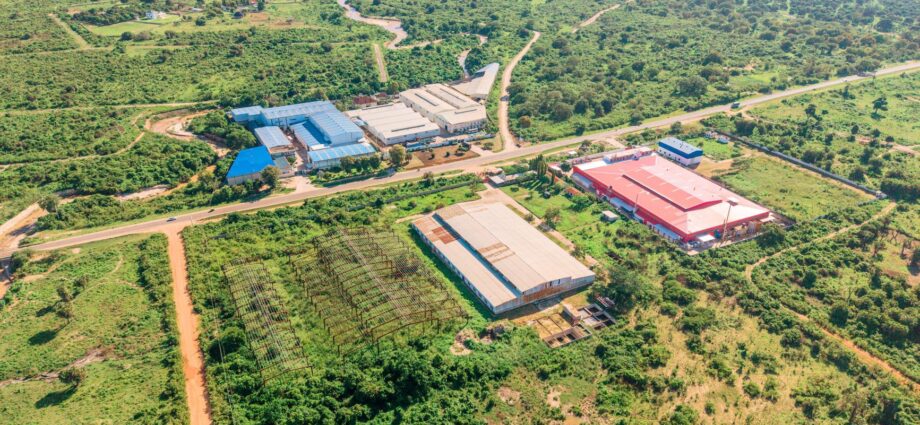
logistics infrastructure investment is a key factor influencing the financial outlook at Mainfreight. This investment plays a significant role in enhancing operational efficiency and driving growth in the logistics sector.
Understanding Logistics Infrastructure
Logistics infrastructure plays a crucial role in the efficiency and effectiveness of supply chain operations. By investing in logistics infrastructure, companies can streamline their processes, reduce costs, and enhance service delivery. For Mainfreight, a leader in the logistics sector, such investments have been pivotal in expanding its operational capabilities and reaching new markets.
The significance of logistics infrastructure investment can be seen in several key areas:
- Improved Transportation Networks: Enhanced roads, ports, and rail systems lead to faster delivery times and reduced transit costs.
- Advanced Technology Integration: Investing in modern facilities enables the incorporation of technology like automation and data analytics, which boosts overall operational efficiency.
- Increased Capacity: Upgraded infrastructure allows companies to handle larger volumes of goods, meeting customer demand more effectively.
- Greater Flexibility: Well-developed logistics systems provide businesses with the agility to adapt to market changes and unforeseen disruptions.
As the logistics landscape continues to evolve, the importance of infrastructure investment cannot be overstated. For Mainfreight, this strategy not only supports its current operations but also positions the company for sustained growth in the competitive logistics market.
The Role of Investment in Logistics
Investment in logistics infrastructure plays a pivotal role in enhancing operational efficiency and driving growth for companies like Mainfreight. As the demand for streamlined supply chains increases, the significance of robust logistics infrastructure investment cannot be overstated.
Logistics infrastructure encompasses various elements, including:
- Transportation networks: Efficient road, rail, and air transport systems facilitate quicker delivery times.
- Warehousing facilities: Modernized storage solutions allow for better inventory management and reduced holding costs.
- Technology integration: Advanced tracking systems and logistics software improve visibility and coordination across the supply chain.
By prioritizing these components, Mainfreight can not only enhance its service offerings but also ensure resilience against market fluctuations. The strategic allocation of resources towards logistics infrastructure investment leads to cost savings and improved customer satisfaction, ultimately having a direct impact on profitability.
Furthermore, as global trade continues to evolve, companies that invest in their logistics capabilities are better positioned to adapt to changing market conditions. This adaptability not only strengthens Mainfreight’s competitive edge but also reinforces its commitment to providing exceptional logistics solutions to its clients.
Mainfreight’s Financial Performance
Mainfreight has demonstrated remarkable financial performance, significantly influenced by logistics infrastructure investment. This strategic focus on enhancing logistics capabilities has enabled the company to expand its market presence and improve operational efficiency.
Over the past fiscal year, Mainfreight reported a substantial increase in revenue, attributed in part to investments in advanced logistics systems and facilities. The company’s commitment to developing state-of-the-art warehousing and distribution networks has streamlined its operations, reducing transit times and lowering costs.
Key factors contributing to Mainfreight’s financial success include:
- Increased Capacity: Investments in logistics infrastructure have allowed Mainfreight to handle a greater volume of shipments, catering to a growing customer base.
- Technological Advancements: Upgrades to logistics technology have improved tracking and inventory management, leading to better service levels.
- Geographic Expansion: New logistics hubs established in strategic locations have facilitated entry into emerging markets, enhancing revenue streams.
As a result, Mainfreight’s stock performance has also benefited, reflecting investor confidence in the company’s growth potential driven by robust logistics infrastructure investment. This strong foundation positions Mainfreight well for future challenges and opportunities in the logistics sector.
Key Benefits of Infrastructure Investment
Investing in logistics infrastructure provides several key benefits that can significantly impact companies like Mainfreight. These advantages not only enhance operational efficiency but also contribute to long-term financial gains.
- Improved Efficiency: Upgraded logistics infrastructure allows for streamlined processes, reducing transit times and minimizing delays. This efficiency can lead to enhanced customer satisfaction and repeat business.
- Cost Reduction: With better facilities and technology, companies can lower operational costs. Investments in automation and advanced tracking systems can minimize labor expenses and reduce losses from damaged goods.
- Increased Capacity: Expanding logistics capabilities through infrastructure investment enables businesses to handle larger volumes of goods. This capacity increase is vital for meeting rising consumer demand and positioning the company for growth.
- Enhanced Flexibility: A robust logistics infrastructure provides the flexibility to adapt to changing market conditions. Companies can respond swiftly to fluctuations in demand and navigate supply chain disruptions more effectively.
- Competitive Advantage: Firms that prioritize logistics infrastructure investment often gain an edge over competitors. Superior logistics capabilities can attract new customers and foster loyalty among existing ones.
In the context of Mainfreight, these benefits underscore the critical importance of logistics infrastructure investment for sustained financial success.
Challenges in Logistics Investment
While logistics infrastructure investment plays a critical role in enhancing operational efficiency, numerous challenges can hinder its effectiveness. Understanding these challenges is essential for companies like Mainfreight, which is focused on optimizing its logistics operations.
- High Capital Expenditure: Investing in logistics infrastructure often requires substantial upfront costs, which can strain a company’s financial resources. This is particularly challenging for smaller firms or those with tight budgets.
- Regulatory Hurdles: Companies frequently face complex regulations that can delay investment projects. Navigating these legal requirements can be time-consuming and may lead to increased costs.
- Technological Integration: As logistics infrastructure evolves, integrating new technologies with existing systems can present significant challenges. Ensuring compatibility and minimal disruption to operations is crucial.
- Market Volatility: Fluctuations in market demand can impact the return on investment in logistics infrastructure. Companies must be prepared for changes that could affect their long-term planning.
- Talent Shortages: A skilled workforce is essential for managing complex logistics systems. A shortage of qualified professionals can impede the successful implementation of infrastructure projects.
Addressing these challenges is vital for companies to maximize the benefits of logistics infrastructure investment and improve their overall financial outlook.
Future Trends in Logistics
The logistics industry is experiencing a significant transformation driven by advancements in technology and changing consumer behaviors. As companies like Mainfreight continue to adapt, future trends in logistics infrastructure investment will play a crucial role in shaping their operational capabilities and financial success.
One of the most notable trends is the integration of automation and artificial intelligence into logistics processes. This shift aims to enhance efficiency, reduce costs, and improve service delivery. Companies are increasingly investing in smart warehouses equipped with robotics that streamline inventory management and accelerate order fulfillment.
Another emerging trend is the focus on sustainability within logistics infrastructure. As environmental concerns grow, businesses are prioritizing eco-friendly practices, including investing in green technologies and optimizing transportation routes to minimize carbon footprints. This not only aligns with consumer expectations but also positions companies favorably in a competitive market.
Furthermore, the rise of e-commerce continues to reshape logistics demands. Companies are investing in last-mile delivery solutions to ensure timely delivery to consumers, which is critical for maintaining customer satisfaction. This emphasis on improving logistics infrastructure will be essential for players like Mainfreight to thrive in an evolving landscape.
In conclusion, the future of logistics infrastructure investment looks promising, with trends focused on automation, sustainability, and e-commerce shaping the industry. Companies that recognize and adapt to these trends will likely achieve a competitive edge in the market.
Conclusion: The Importance of Investment
In conclusion, the significance of logistics infrastructure investment cannot be overstated, particularly for companies like Mainfreight. As the logistics sector continues to evolve, the need for robust infrastructure becomes increasingly critical to maintain competitiveness and efficiency. Investing in logistics infrastructure not only enhances operational capabilities but also positions companies to capitalize on emerging market opportunities.
The proven impact of such investments is evident in Mainfreight’s financial performance. With a well-developed logistics network, the company has been able to streamline its operations, reduce costs, and improve service delivery. These advantages have translated into strong revenue growth and increased shareholder value.
However, the journey towards comprehensive logistics infrastructure is not without its challenges. Companies must navigate issues such as regulatory hurdles, high capital expenditure, and fluctuations in demand. Yet, overcoming these obstacles is essential for long-term success. By prioritizing logistics infrastructure investment, businesses not only enhance their immediate operational capabilities but also lay the groundwork for sustainable growth.
Looking ahead, the future of logistics infrastructure investment will likely focus on technology integration and sustainability. As companies adapt to these trends, those that embrace innovative solutions will be better positioned in the logistics landscape, ultimately benefiting both their financial outlook and the broader economy.
Photo by I am DullyGrapher on Pexels
References
Related reading
Codexis earnings report: Best proven results for investors · National Vision Q3 earnings: A Clear Look at Key Metrics · QB MEN Funding: Best Proven Strategies for Startups