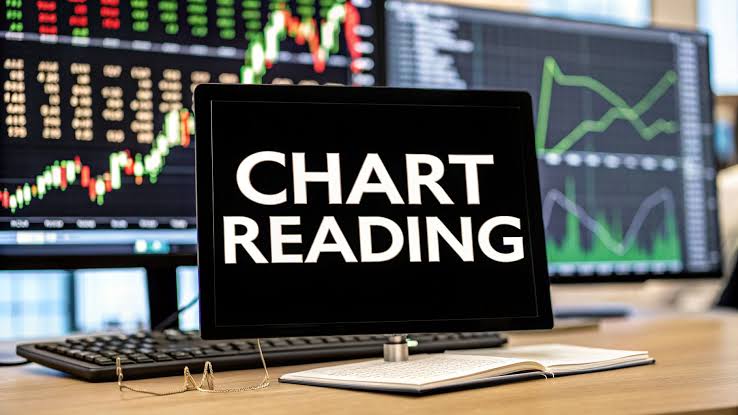
Trading stock market opportunities can look attractive because prices move every day and digital platforms make buying and selling easier. Users can now track live prices, place orders, create watchlists, review charts, and monitor portfolios through mobile apps or web platforms. This convenience has increased market participation among beginners and active traders.
However, trading should not be started only because access is simple. The stock market carries risk, and prices can move against expectations quickly. A trader should understand order types, account setup, charges, research methods, risk control, and emotional discipline before placing trades. Without planning, trading can become guesswork instead of a structured market activity.
What Does Trading Stock Market Mean
Trading stock market means buying and selling listed shares or other market products through a broker platform. Traders may take positions based on price movement, news, charts, volume, or short-term market trends. Some trades may last minutes or hours, while others may continue for days or weeks.
Trading is different from long-term investing. A trader usually focuses on entry and exit timing, while an investor focuses more on business quality and long-term growth. Both approaches need knowledge, but trading generally requires faster decision-making and stricter risk management.
How Stock Market Trading Works
Stock market trading happens through a connected system of brokers, exchanges, depositories, and banks. When a user places an order, the broker sends it to the exchange. If the order matches with another participant, the trade is executed.
Platform Login
The user logs into a trading app or website using secure credentials.
Stock Selection
The user searches for the stock or market product they want to trade.
Order Placement
The user selects buy or sell, quantity, price, and order type.
Trade Execution
The exchange matches the order based on available buyers and sellers.
Settlement
For delivery trades, securities are credited to or debited from the demat account after settlement.
Report Review
The user can check contract notes, ledgers, holdings, and transaction history.
Basic Requirements For Trading
Before trading in the stock market, users usually need basic documents and account access.
Common requirements include:
- PAN card
- Bank account
- Trading account
- Demat account
- Completed KYC
- Registered mobile number
- Active email ID
- Secure internet access
- Market knowledge
- Understanding of charges and risks
The trading account helps place orders, while the demat account holds delivery-based securities electronically.
Types Of Stock Market Trading
Different trading styles suit different users. Beginners should understand these before choosing an approach.
Intraday Trading
Intraday trading involves buying and selling on the same trading day. Positions are closed before market close.
Delivery Trading
Delivery trading involves buying shares and holding them beyond the same day.
Swing Trading
Swing trading focuses on short-term price movement over a few days or weeks.
Positional Trading
Positional trading may involve holding positions for a longer short-term period based on market view.
Derivatives Trading
Derivatives trading includes futures and options. It is more complex and may involve leverage, expiry, and higher risk.
Important Order Types To Know
Order types help traders manage execution and risk.
Market Order
A market order executes at the best available price. It may execute quickly, but the final price can change in volatile markets.
Limit Order
A limit order allows the user to set a specific price. The order executes only if the market reaches that price.
Stop-Loss Order
A stop-loss order helps limit losses if the trade moves against the expected direction.
Stop-Loss Limit Order
This order combines stop-loss trigger and limit price. It gives more control but may not always execute in fast markets.
After-Market Order
Some platforms allow orders to be placed after market hours for the next trading session.
Research Before Trading
A trade should not be placed only because a stock is moving fast or trending online. Research helps traders understand whether the trade has a reasonable basis.
Before trading, users should check:
- Market direction
- Stock price trend
- Trading volume
- Recent company news
- Sector performance
- Support and resistance levels
- Volatility
- Risk-reward ratio
- Stop-loss level
- Exit plan
For delivery-based trades, company fundamentals and valuation should also be reviewed.
IPO Tracking And Trading Interest
In the middle of market activity, some users may use an Ipo Bulk Checker to track allotment-related information across multiple IPO applications or investor accounts. This can be useful for users who follow primary market opportunities along with regular stock trading.
However, IPO tracking should not lead to careless decisions. A popular IPO or strong subscription number does not guarantee listing gains or long-term returns. Investors should check the company’s business model, financials, valuation, risk factors, issue objective, and market conditions before applying or trading after listing.
Benefits Of Trading Stock Market Products
Trading stock market products can offer certain benefits when handled responsibly.
Flexible Market Participation
Users can participate in short-term or delivery-based opportunities depending on their strategy.
Liquidity
Many listed shares can be bought or sold during market hours, subject to liquidity.
Portfolio Control
Traders can choose which stocks to enter, exit, or avoid.
Learning Opportunity
Trading helps users understand market behaviour, volatility, news impact, and price trends.
Digital Access
Online platforms make order placement, tracking, and reporting easier.
Risk Planning Tools
Stop-loss orders, alerts, and watchlists can support better planning when used correctly.
Risks In Stock Market Trading
Trading carries several risks that users should understand before starting.
Price Volatility
Stock prices can move sharply due to news, earnings, global events, or market sentiment.
Emotional Risk
Fear, greed, panic, and overconfidence can lead to poor decisions.
Overtrading
Frequent buying and selling can increase charges and reduce discipline.
Margin Risk
Using leverage can increase both gains and losses.
Technical Risk
App downtime, internet issues, or wrong order entry can affect trades.
Liquidity Risk
Some stocks may not have enough buyers or sellers at desired prices.
Charges To Check Before Trading
Charges directly affect net returns. Frequent traders should understand the full cost before placing repeated trades.
Common charges include:
- Brokerage
- Securities transaction tax
- Exchange transaction charges
- GST
- Stamp duty
- SEBI charges
- Depository participant charges
- Account maintenance charges
- Call and trade charges
- Platform fees, if applicable
A trade that looks profitable before charges may become less attractive after all costs are included.
Common Mistakes Beginners Make
Beginners often lose money due to avoidable mistakes.
Trading Without A Plan
Every trade should have a clear reason, entry price, stop loss, and exit plan.
Following Tips Blindly
Random tips may not match the user’s capital, risk capacity, or strategy.
Ignoring Stop Loss
Not using stop loss can increase downside risk.
Taking Large Positions Too Early
Beginners should avoid using large capital before gaining experience.
Averaging Losing Trades Without Logic
Adding more money to a falling trade without research can increase losses.
Trading Every Market Move
Not every price movement is a trading opportunity.
Risk Management For Traders
Risk management is more important than predicting every price movement. Even experienced traders face losses. The goal is to control loss size and protect capital.
A trader should define:
- Maximum loss per trade
- Position size
- Stop-loss level
- Target level
- Exit rule
- Maximum daily loss
- Number of trades per day
- Capital allocation
- Review process
- No-trade conditions
Risk rules should be decided before entering a trade, not after the market moves against the position.
Using Market Tools For Better Decisions
A Best Mutual Fund App To Invest can help users compare fund categories, track SIPs, review risk levels, and manage diversified investments alongside direct stock market activity. This can support users who want market exposure but do not want to trade every stock individually.
Direct trading and mutual fund investing are different approaches. Trading requires active decisions and risk control, while mutual funds can support long-term diversified investing. Using both carefully may help users build a more balanced financial plan.
Conclusion
Trading stock market opportunities can provide flexibility and learning, but it also carries risk. Users should not start trading only because mobile apps make access easy. Better trading requires account knowledge, order understanding, research, charges awareness, and strong risk management.
Beginners should start small, avoid leverage, use stop losses, review trades, and stay disciplined. A careful approach can help traders participate in the market with better control and fewer avoidable mistakes.
FAQs
What Does Trading Stock Market Mean
It means buying and selling listed shares or other market products through a broker platform.
Is Stock Market Trading Risky
Yes, stock market trading is risky because prices can move up or down quickly.
What Accounts Are Needed For Trading
Users generally need a trading account, demat account, bank account, PAN, and completed KYC.
What Is A Stop-Loss Order
A stop-loss order helps limit loss when a trade moves against the expected direction.
Should Beginners Start With Intraday Trading
Beginners should first learn market basics, order types, charges, and risk control before trying intraday trading.
How Can Traders Reduce Risk
Traders can reduce risk by using stop losses, limiting position size, avoiding leverage, and following a clear trading plan.