
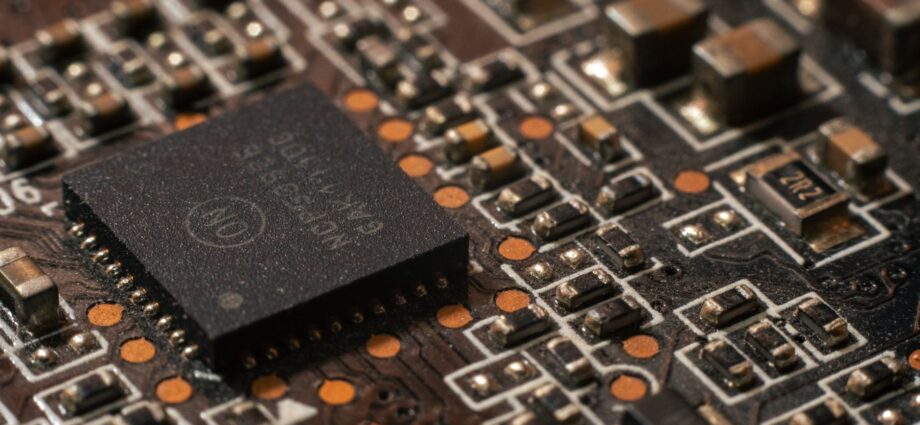
Alibaba AI chip is revolutionizing the startup ecosystem in India. With advancements in artificial intelligence, this chip promises to enhance performance and drive innovation.
Understanding the Alibaba AI Chip
The Alibaba AI chip represents a significant advancement in artificial intelligence technology, tailored specifically for startups aiming to leverage AI capabilities without the need for extensive resources. Designed with efficiency and performance in mind, this chip is capable of handling complex computations, making it an ideal choice for emerging businesses looking to innovate.
One of the paramount features of the Alibaba AI chip is its ability to streamline machine learning processes. By facilitating faster data processing and analysis, startups can achieve results that were previously only accessible to larger enterprises with hefty budgets. This democratization of technology empowers smaller companies to compete on a more level playing field.
Furthermore, the Alibaba AI chip integrates seamlessly with various software platforms, ensuring that developers can easily implement AI solutions into their products. This flexibility has attracted numerous startups eager to harness the power of AI without the usual barriers.
In summary, the Alibaba AI chip not only enhances computational capabilities but also supports innovation in the startup ecosystem, paving the way for future technological breakthroughs.
Impact on Indian Startups
The emergence of the Alibaba AI chip is set to significantly impact Indian startups looking to leverage advanced technology for growth. As these startups aim to compete on a global scale, integrating cutting-edge AI capabilities becomes essential.
One of the primary advantages of the Alibaba AI chip is its accessibility, providing startups with a cost-effective solution to implement AI solutions without the need for heavy investment in infrastructure. This democratization of technology allows smaller companies to innovate and develop products that were previously the domain of larger firms.
Moreover, the performance of the Alibaba AI chip can enhance data processing speeds, enabling startups to analyze consumer behavior in real-time and tailor their offerings accordingly. This agility is crucial in the fast-paced Indian market, where consumer preferences shift rapidly.
Indian entrepreneurs are also finding new avenues for collaboration, as the Alibaba AI chip fosters partnerships between tech companies and startups, leading to a vibrant ecosystem of innovation. As a result, the future looks promising for startups that embrace this technology, allowing them to disrupt traditional industries and establish a foothold in the market.
Funding Trends in Tech
In recent years, funding trends in tech have shown a significant shift towards innovative solutions, particularly in the realm of artificial intelligence. Startups are increasingly attracted to cutting-edge technologies that can enhance their operational efficiency and competitive edge. Among these technologies, the Alibaba AI chip stands out as a formidable contender.
The surge in funding for AI-driven startups has been fueled by several factors:
- Market Demand: There is a growing appetite for AI solutions across various industries, leading investors to seek startups that leverage advanced technology.
- Scalability: Startups utilizing the Alibaba AI chip can rapidly scale their operations, making them more appealing to venture capitalists.
- Cost Efficiency: The chip offers superior performance at reduced costs, allowing startups to allocate funds more effectively.
As a result, many emerging companies are prioritizing investments in AI technologies, positioning themselves strategically in a competitive landscape. This trend underscores the importance of adopting proven technologies, like the Alibaba AI chip, to attract funding and drive innovation.
Challenges for IIM Graduates
As the job market evolves, IIM graduates face several challenges, particularly in the tech sector where the demand for innovative solutions is high. While the Alibaba AI chip offers advanced capabilities, many graduates struggle to find opportunities that match their skill sets and aspirations.
Some of the key challenges include:
- High Competition: With numerous candidates vying for limited positions, standing out becomes increasingly difficult.
- Lack of Relevant Experience: Many graduates possess theoretical knowledge but lack practical experience in implementing AI technologies like the Alibaba AI chip.
- Rapid Technological Changes: The fast pace of advancements in AI and machine learning can make it hard for graduates to keep their skills current.
- Uncertain Job Market: Economic fluctuations and funding challenges in the tech sector contribute to a volatile job landscape.
Despite these hurdles, IIM graduates can leverage their education and adaptability to navigate the challenges, especially by focusing on technologies that are shaping the future, such as the Alibaba AI chip.
Future of AI in India
The future of AI in India is poised for significant transformation, especially with the introduction of advanced technologies like the Alibaba AI chip. As startups in the country strive to innovate, the integration of such cutting-edge solutions can facilitate growth and enhance competitive advantages.
Key factors driving the future of AI in India include:
- Increased Accessibility: The Alibaba AI chip makes sophisticated AI capabilities more accessible to startups, allowing them to leverage powerful tools without substantial investment.
- Collaboration with Educational Institutions: Partnerships between technology companies and universities are fostering a new generation of talent equipped to harness AI technologies.
- Government Initiatives: Supportive policies and funding from the Indian government are creating an ecosystem that nurtures AI innovation and entrepreneurship.
- Focus on Sustainability: Startups are increasingly using AI to develop sustainable solutions, addressing environmental challenges while driving business growth.
As the landscape evolves, the adoption of the Alibaba AI chip could play a crucial role in shaping India’s AI future, empowering startups to thrive in an increasingly competitive market.
Photo by Ivan Chumak on Pexels