
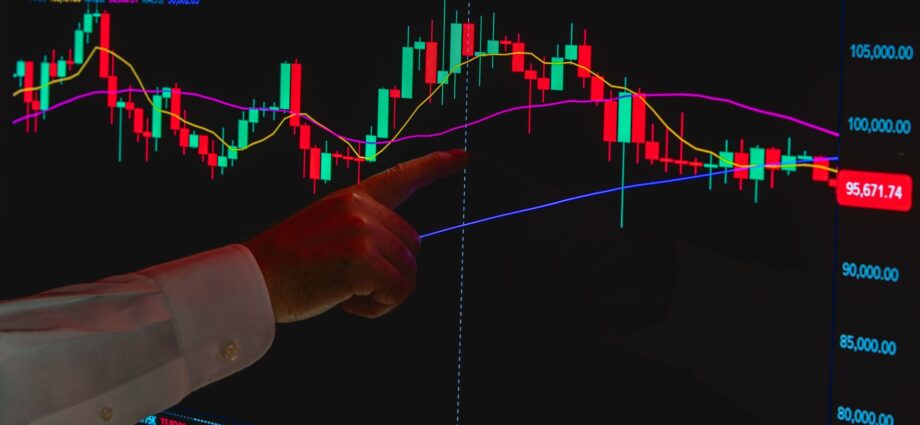
Sensex falls 100 points today, reflecting a downturn in the market as traders react to significant selling in the IT and banking sectors.
Market Overview
The stock market experienced a turbulent day as the Sensex falls 100 points, marking one of the worst trading days for investors in recent memory. The index closed at 74,650, reflecting a significant downturn amid increased selling pressure.
Market analysts attributed this decline to a combination of factors that have been impacting investor sentiment. Among the key contributors were:
- Increased selling in IT and banking sectors: Major companies in these sectors saw substantial losses, leading to a ripple effect across the market.
- Global economic concerns: Investors are wary of ongoing geopolitical tensions and inflationary pressures affecting economic stability.
- Profit-booking activities: After a period of gains, many investors opted to cash out, contributing to the downward trend.
As the market adjusts to these pressures, experts recommend that investors stay informed and consider their long-term strategies amidst the volatility.
Impact on Investors
The recent decline in the stock market has left many investors feeling anxious and uncertain. With the Sensex falling 100 points, concerns are rising about the long-term implications of such a downturn.
Several factors have contributed to this significant drop, including:
- Global Economic Trends: Investors are closely monitoring international markets, which have shown signs of volatility.
- Sector-Specific Weakness: Heavy selling in key sectors, particularly IT and banking, has exacerbated the fall.
- Investor Sentiment: The overall mood among investors has shifted to caution, resulting in a pullback from buying.
As a result, many portfolio holders are evaluating their positions and considering rebalancing strategies to mitigate potential losses. The impact of the Sensex falling 100 points has not only affected high-net-worth individuals but also everyday investors who rely on stable market conditions for their financial planning.
In this challenging environment, it is crucial for investors to remain informed and adaptable to the changing market dynamics.
Sector Performance
The recent trading session saw the Sensex falls 100 points, marking one of the worst days for investors in recent weeks. Sector performance was notably uneven, with several key industries experiencing significant declines.
- Information Technology: This sector faced heavy selling pressure, contributing to the overall drop in the index. Major IT stocks saw a decline of up to 3%, reflecting investor concerns regarding future growth.
- Banking: The banking sector also struggled, with several prominent banks reporting losses. Analysts indicated that regulatory issues and rising non-performing assets continue to impact investor confidence.
- Consumer Goods: Conversely, the consumer goods sector showed resilience, with some companies managing to post slight gains despite the broader market downturn.
- Energy: The energy sector remained stable, driven by fluctuations in global oil prices that kept shares relatively unaffected by the overall market sentiment.
As the markets react to both domestic and international factors, investors are advised to remain cautious in the current climate.
Expert Analysis
Experts are expressing concern following the recent downturn in the stock market, with the Sensex falling 100 points, marking one of the worst trading days for investors in recent times. Analysts attribute this decline to several factors that have contributed to increased market volatility.
One significant factor is the ongoing uncertainty in global markets, which has led to a cautious approach among investors. Rising inflation and interest rate hikes are also weighing heavily on market sentiment.
According to market strategist Rajesh Kumar, “Investors are currently facing a challenging environment. With the Sensex falling 100 points today, many are re-evaluating their portfolios.” He further emphasized the importance of diversification to mitigate risks during such turbulent times.
In addition, heavy selling in the IT and banking sectors has exacerbated the situation, prompting investors to seek safer havens. Sector analysts recommend closely monitoring these trends as they could influence future trading strategies.
Overall, the current market conditions highlight the need for cautious investment strategies amid ongoing uncertainties.
Future Predictions
As the market grapples with the recent downturn, analysts are closely monitoring the potential future trajectory of the Sensex after it falls 100 points. Investors remain anxious about the sustainability of the current trends, especially given the heavy selling in the IT and banking sectors.
Market experts predict a volatile trading environment in the coming weeks, with several factors influencing investor sentiment:
- Global Economic Indicators: Developments in major economies, particularly in the US and Europe, will play a crucial role in shaping market expectations.
- Monetary Policy Changes: Anticipated shifts in interest rates by central banks could lead to further fluctuations in the stock market.
- Corporate Earnings Reports: Upcoming quarterly earnings are expected to provide insights into the health of various sectors, influencing investor decisions.
While the recent fall in the Sensex raises concerns, seasoned investors are advised to adopt a cautious approach, leveraging insights from market trends and expert predictions to navigate this challenging period.
Trading Strategies
As the Sensex falls 100 points, investors are reevaluating their trading strategies in light of the current market volatility. Analysts suggest a cautious approach, emphasizing the importance of diversification to mitigate risks during such downturns.
Here are some recommended strategies for navigating the current market:
- Focus on Defensive Stocks: Investing in companies with stable earnings can provide a cushion during market fluctuations.
- Consider Fixed Income Products: Bonds or fixed deposits may offer more security compared to equities during uncertain times.
- Implement Stop-Loss Orders: Setting stop-loss levels can help limit potential losses as the market experiences downturns.
- Stay Informed: Keeping up with market trends and economic indicators can help in making informed decisions.
While the Sensex falls 100 points may seem daunting, understanding the market dynamics and employing strategic trading can help investors navigate these challenging times effectively.
The market turmoil intensified as the Sensex falls 100 points, reflecting widespread panic among investors. Analysts warn that if this trend continues, the Sensex falls 100 points could signal a larger downturn in the economy.
Photo by Rafael Minguet Delgado on Pexels